
When people think about fire damage, they often picture extensive structural destruction, charred materials and rooms that require complete rebuilding. While these visible signs of damage can be severe, the most costly and long-lasting issues are not always caused by the flames themselves.
In many cases, smoke damage can create more complex restoration challenges than the fire. Even after a relatively minor incident, smoke and soot can spread throughout a property, affecting surfaces, hidden voids and building materials far beyond the immediate area of the fire.
Understanding the differences between fire damage and smoke damage is essential for property owners, insurers and facilities managers seeking to minimise long-term restoration costs and protect the integrity of a building.
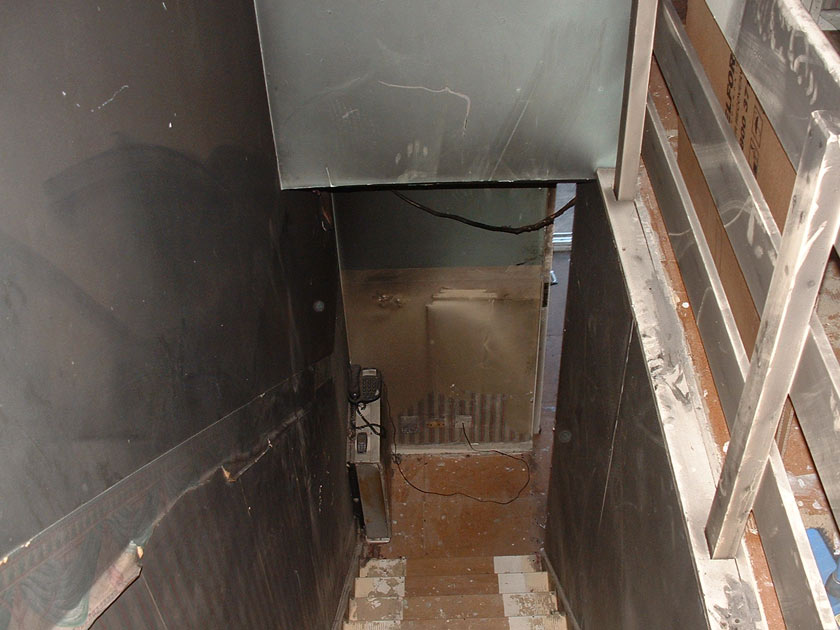
Why Smoke Damage Is Often More Destructive Than Fire Damage
The impact of smoke is frequently underestimated because much of the damage it causes is not immediately visible. While flames may affect a specific room or area, smoke can travel throughout an entire property within a matter of minutes.
As smoke moves through a building, it deposits soot particles onto surfaces, penetrates porous materials and enters concealed spaces. Without specialist restoration, these contaminants can continue causing damage long after the fire has been extinguished.
The Hidden Risks of Acidic Soot
One of the most significant concerns following a fire is the presence of acidic soot. These microscopic particles can settle on walls, ceilings, furniture, electrical components and structural materials.
David Bly, Managing Director of Cornerstone, explains:
“Smoke laden damage does a lot of damage although not always visual. Acidic soot can eat away at certain materials such that a small amount on a surface may appear minor but, if not attended to, can result in an expensive remediation process.
Open fire damage results in many materials simply being removed whereas smoke dissipates into every single nook and cranny in floorboards, ceilings, voids etc. hence these require detailed restorative tasks that mirror the smoke travel.”
This highlights why professional assessment is critical following any fire incident, regardless of its apparent severity.

How Smoke Travels Through a Property
Unlike flames, smoke does not remain confined to one area. It naturally follows airflow pathways throughout a building, finding its way into spaces that may initially appear unaffected.
Common Areas Affected by Smoke Contamination
One of the most challenging aspects of smoke damage restoration is the extent to which contamination can spread throughout a property. While the fire itself may be confined to a single room, smoke naturally follows airflow pathways and can travel into roof voids, ceiling cavities, wall spaces and beneath suspended floors.
In many cases, areas that appear unaffected during an initial visual inspection can contain significant levels of soot contamination, requiring specialist investigation and remediation.
Odour Contamination and Lingering Effects
Persistent smoke odours are often a sign that contamination remains within the building. Standard cleaning methods rarely remove these odours completely because the source of the contamination is frequently hidden behind walls, beneath floors or within porous materials.
Professional smoke damage restoration addresses both the visible contamination and the hidden residues that continue to affect indoor environments.

Fire Damage vs Smoke Damage: Understanding the Restoration Process
Following a fire, the visible fire damage is often easier to identify and address. Severely damaged materials are typically removed and replaced as part of the reinstatement process.
Smoke damage restoration requires a different approach.
Specialist Cleaning and Decontamination
Effective smoke damage restoration goes far beyond removing visible soot deposits. Restoration professionals, such as our team, must identify where smoke has travelled, assess the materials affected and implement appropriate cleaning and decontamination methods. This often involves treating structural surfaces, restoring affected contents, neutralising odours and addressing contamination within hidden voids. The objective is not simply to improve appearance but to remove corrosive residues and return the property to a safe and habitable condition.
The Importance of Acting Quickly After a Fire
Time is one of the most important factors in successful fire and smoke damage restoration.
Acidic soot can begin affecting surfaces shortly after deposition. Delays in remediation can increase restoration costs, lead to permanent staining and accelerate corrosion of sensitive materials.
Early intervention can:
- Reduce long-term damage
- Improve restoration outcomes
- Lower repair costs
- Protect structural elements
- Improve the likelihood of content recovery
- Minimise business interruption

Why Professional Fire and Smoke Restoration Matters
Attempting to clean smoke damage without specialist knowledge can inadvertently spread contamination or cause further damage to affected materials.
Experienced restoration professionals understand how smoke behaves, where contamination is likely to be present and which restoration techniques are required to achieve the best possible outcome.
Trusted Fire and Smoke Damage Restoration from Cornerstone
At Cornerstone, we understand that every fire loss is unique. Our experienced restoration teams provide comprehensive fire and smoke damage remediation services designed to identify hidden contamination, restore affected properties and minimise long-term costs.
From initial assessment through to complete restoration, we work closely with insurers, loss adjusters, commercial clients and homeowners to deliver effective, professional solutions.
If your property has been affected by fire or smoke damage, contact Cornerstone today to speak with our restoration specialists or book a survey to discover how our expertise can help protect your property and accelerate recovery.


