
Ventilation MOT Training & Certification
Bespoke Training & Certification for Property Ventilation
Training and certification for the Ventilation MOT® allows your employees to gain access to industry-leading knowledge and expertise for damp, condensation and mould problems relating back to atmospheric moisture within properties.
Our accredited CPD training providers outline the key elements of the Ventilation MOT® so that you leave our workshop with a knowledge, applications and the reasoning behind atmospheric and ventilation issues with accredited certification.

MOT Training & Certification
PropertyMOT Training & Certification
As an accredited CPD provider we have created a four-hour workshop designed to outline key elements of the two Property MOT®.
MoistureMOT Training & Certification
Our accredited CPD training providers outline the key elements of the Moisture MOT® so that you leave with knowledge on moisture problems with your properties.
Why Choose Cornerstone as Your VentilationMOT Training and Certification Provider
A unique component of the Ventilation MOT® is the ability to undertake accredited training with the Property Health Alliance to secure a certified CMOTS qualification enabling interested surveyors to undertake the Ventilation MOT® surveys.
All data submitted by an accredited surveyor is analysed by the receiving SMART Portal with certificates and applicable advisories issued back to the surveyor for distribution to their clients.

Professional Services FAQ
Cornerstone offer a range of independent consultancy and training services bespoke for housing associations, loss adjusters, private landlords and more, but you may have some further questions to fully establish what can be done in the selected property.

Ventilation MOT Training FAQs
What is Ventilation MOT Training and What is its Purpose?
Ventilation MOT Training is a CPD-accredited workshop focused on helping property professionals understand how ventilation systems and airflow impact indoor air quality, moisture levels, and the prevention of damp and mould in buildings.
Who Should Attend the Ventilation MOT Training Course?
This training is suitable for housing associations, local authorities, surveyors, landlords, property managers, and other professionals responsible for diagnosing or managing ventilation-related issues within residential properties.
What Topics are Covered During the Ventilation MOT Training?
The workshop covers the principles of effective ventilation, common causes of poor airflow, interpretation of ventilation data, and how ventilation interacts with occupancy, building fabric, and moisture behaviour.
Does Ventilation MOT Training Count Towards CPD Accreditation?
Yes. The training is CPD-accredited, and delegates receive certification upon completion, supporting ongoing professional development and competency in ventilation assessment.
How can Ventilation MOT Training Help Improve Property Outcomes?
By completing Ventilation MOT Training, organisations can build in-house expertise, improve diagnostic accuracy, and make more informed recommendations to reduce condensation, damp, and mould risks linked to inadequate ventilation.
Do you have a question about our ventilation MOT training courses?
Speak to a member of our team today!
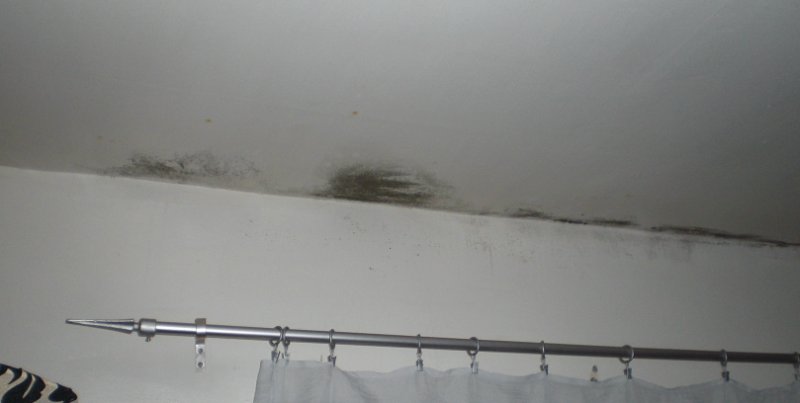
£37,000 Cost Saving for Insurance Company
Scenario: Decorations and furnishings were reported water damaged as a result of ‘secondary flooding’ from the recent flooding. Neighbours advised that water damage to the property was a result of floodwater ingress during the event, even though the property did not sugar any specific ingress. Moisture damage was evident on the ground and first floors.

Multi-Disciplined Approach to Damp Problem
Scenario: A 1970’s detached property has suffered from a damp problem to a localised area of the structure over a number of years. Prior to the appointment of Cornerstone, extensive investigations and been undertaken by a variety of professionals without resolution. Reason for contact: To identify the source of the moisture affecting the structure.