
Structural & Atmospheric Surveys
Property Structural & Atmospheric Surveys
Understanding the structural and atmospheric integrity of a property is essential for compliance with UK regulations and law. A structural survey is typically carried out once your purchase offer has been accepted but before the sale is finalised. This ensures you are fully aware of any issues and not obligated to proceed if problems are found.
When combined with atmospheric surveys and ventilation analysis, we provide a comprehensive package that meets best practice guidelines and gives you complete confidence in the condition of the property.

Your Independent Partner for Structural & Atmospheric Surveys
Our surveys cover both the external and internal aspects of a property, supported with photographic evidence wherever issues are found or may develop in the future. We focus on identifying problems at their root, using both qualitative and quantitative data to deliver fact-based outcomes and recommendations for cost-effective repairs.
Our transparent and unbiased approach is especially valuable for new-build properties, ensuring the structure is ready for occupation and providing clear guidance on installed elements and how to optimise their performance.

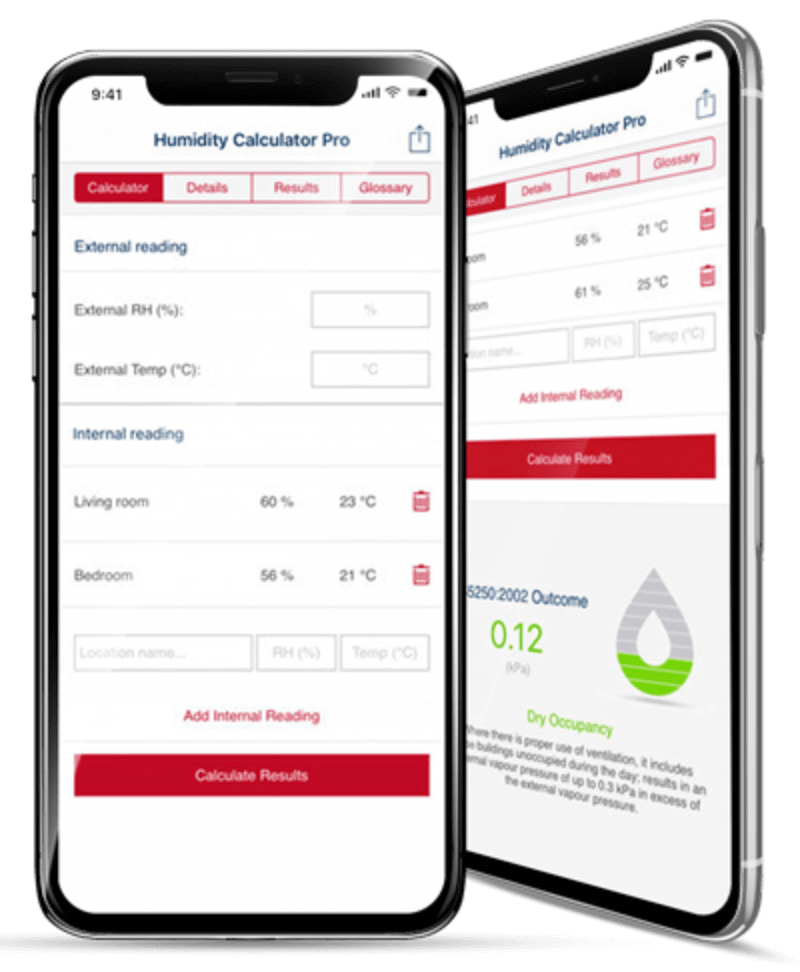
Introducing Calculation Apps.
With a proven track record of undertaking credible fact-based damp-related surveys for a host of clients from NHBC to social housing and private businesses to private homeowners, we have consolidated our decades of knowledge into three new apps! If you’re looking for a clear and concise outcome to a reported problem, use our apps today!
Property Structural & Atmospheric Survey FAQs
What is a structural and atmospheric survey for a building?
A structural and atmospheric survey is a detailed property inspection that combines evaluation of the building’s structural condition with analysis of internal environmental factors such as moisture, airflow and condensation. This comprehensive approach identifies both physical defects and atmospheric issues that can affect safety, health and performance.
When should I commission a structural and atmospheric survey?
You should consider a structural and atmospheric survey if you see signs of damp, mould, cracking, condensation or unexplained stains, particularly in older buildings, properties with recurring moisture issues, or those undergoing refurbishment. These surveys help uncover underlying causes before problems escalate.
How does a structural and atmospheric survey differ from a standard building survey?
A standard building survey focuses broadly on overall condition and defects, whereas a structural and atmospheric survey goes deeper into structural integrity and environmental performance, including moisture movement and internal atmosphere behaviour. This combined approach provides a more complete picture of underlying issues.
What happens during a structural and atmospheric survey visit?
During the survey visit, a qualified specialist conducts a visual inspection of structural elements like foundations, walls and roofs alongside measurements and analysis of internal atmospheric conditions such as humidity, condensation potential, and airflow behaviour. The findings are then compiled into a detailed report with recommendations.
How long does a structural and atmospheric survey take and what results will I get?
The time needed depends on building size and complexity. Typically it includes an on-site assessment followed by analysis and reporting. You will receive a technical report that explains observed issues, their likely causes, measured atmospheric behaviour, and clear recommendations for remediation or further action.
Do you have a question about our property structural and atmospheric survey services?
Speak to a member of our team today!
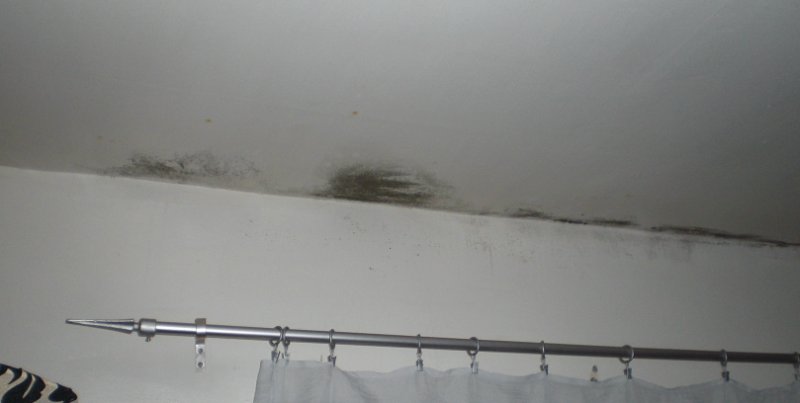
£37,000 Cost Saving for Insurance Company
Scenario: Decorations and furnishings were reported water damaged as a result of ‘secondary flooding’ from the recent flooding. Neighbours advised that water damage to the property was a result of floodwater ingress during the event, even though the property did not sugar any specific ingress. Moisture damage was evident on the ground and first floors.
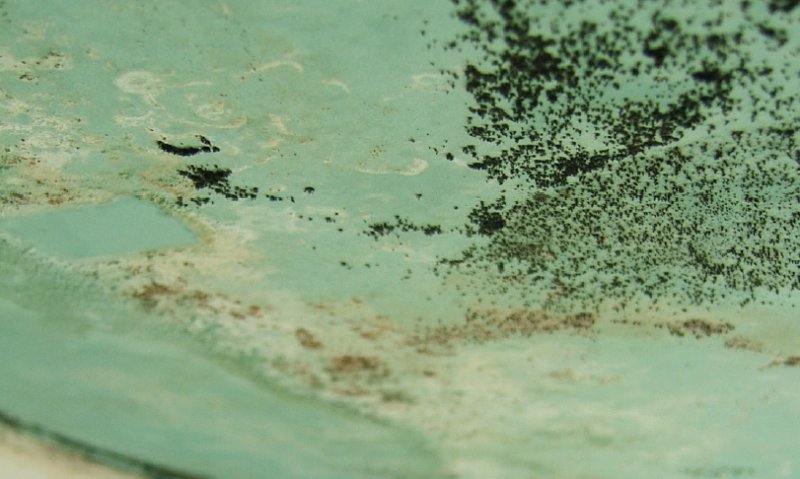
Multi-Disciplined Approach to Damp Problem
Scenario: A 1970’s detached property has suffered from a damp problem to a localised area of the structure over a number of years. Prior to the appointment of Cornerstone, extensive investigations and been undertaken by a variety of professionals without resolution. Reason for contact: To identify the source of the moisture affecting the structure.