
Ventilation Problem Diagnosis
Identifying Ventilation Failure
Poor ventilation throughout properties is something that urgently needs attention as it can lead to serious health problems for both the property and its occupants. The diagnosis of ventilation issues and failure is a thorough process with the use of specialist equipment and assessors required to identify and analyse the root cause problem.
For occupants, proper ventilation dilutes contaminants, such as CO2 and allergens, as well biological contaminants, however the key is to provide proper ventilation where the air is also filtered.

Why Choose Cornerstone As Your Ventilation Problem Diagnosis Partner?
With over three decades’ of industry related experience, Cornerstone are experts in diagnosing ventilation failure and issues.
Our emphasis is being an independent consultancy that are on hand to advise, detect and report on property problems to ensure the correct remedial response is undertaken with a clear understanding of root cause and potential resolutions.

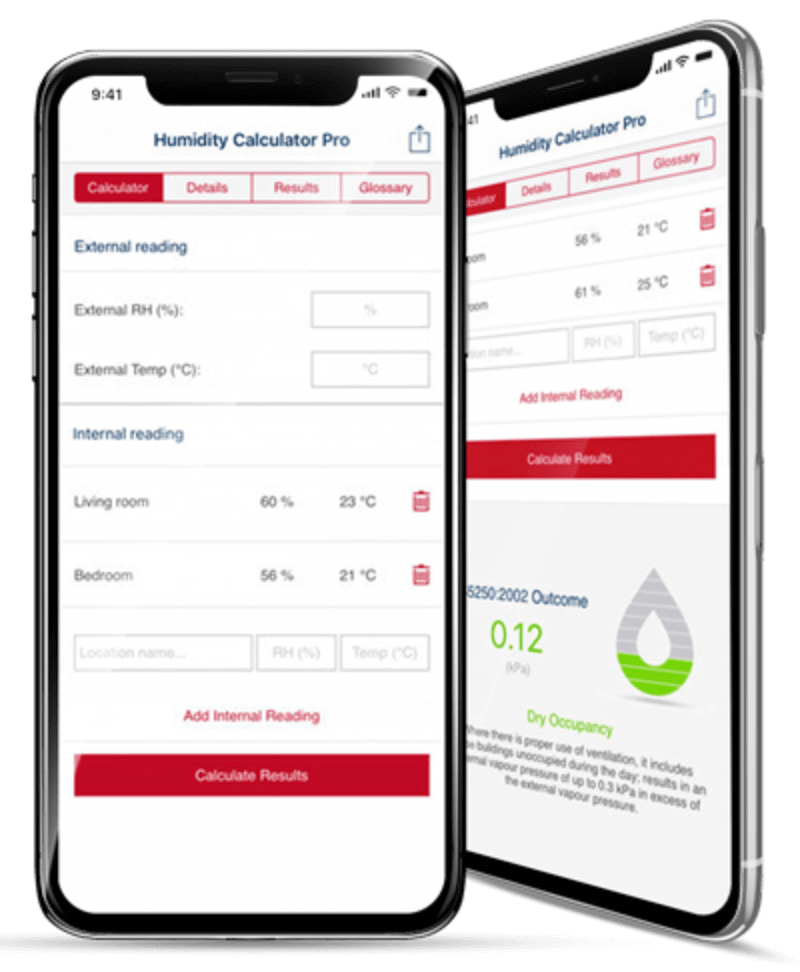
Introducing Calculation Apps.
With a proven track record of undertaking credible fact-based damp-related surveys for a host of clients from NHBC to social housing and private businesses to private homeowners, we have consolidated our decades of knowledge into three new apps! If you’re looking for a clear and concise outcome to a reported problem, use our apps today!
Professional Services FAQ
Cornerstone offer a range of independent consultancy and training services bespoke for housing associations, loss adjusters, private landlords and more, but you may have some further questions to fully establish what can be done in the selected property.

Ventilation FAQs
What is a professional ventilation diagnosis and why is it important?
A professional ventilation diagnosis is a detailed assessment of your building’s ventilation systems to identify inefficiencies, poor airflow, and compliance issues. It helps ensure healthy indoor air quality, reduces energy waste, and prevents long-term damage to structures. This service gives clients clear data and expert recommendations rather than assumptions.
How do I know if my building needs a ventilation assessment?
Buildings often need a ventilation assessment when occupants report stale air, condensation, high humidity, unusual odours, or fluctuating temperatures. It is also recommended for older systems, buildings undergoing refurbishment, or sites where regulatory compliance and energy performance are priorities.
What happens during a commercial ventilation diagnosis?
During a commercial ventilation diagnosis, a specialist inspects your ventilation equipment, measures airflow and ventilation effectiveness, checks ductwork and filters, and evaluates overall performance against industry standards. The output is a practical report outlining findings and actions to improve ventilation efficiency.
Can a ventilation diagnosis help improve energy efficiency?
Yes. A thorough ventilation diagnosis identifies areas where systems are overworking, leaking air, or cycling inefficiently. By addressing these issues, you can reduce energy consumption and lower operating costs. Recommendations typically include optimisation, maintenance, or upgrades that align with energy performance goals.
How long does a ventilation diagnosis take and what deliverables should I expect?
The duration of a ventilation diagnosis depends on building size and complexity but typically involves an on-site evaluation followed by data analysis. Clients receive a comprehensive report with measured performance metrics, identified problems, prioritised recommendations, and options for remediation or improvement plans.
Do you have a question about our ventilation diagnosis services?
Speak to a member of our team today!
£37,000 Cost Saving for Insurance Company
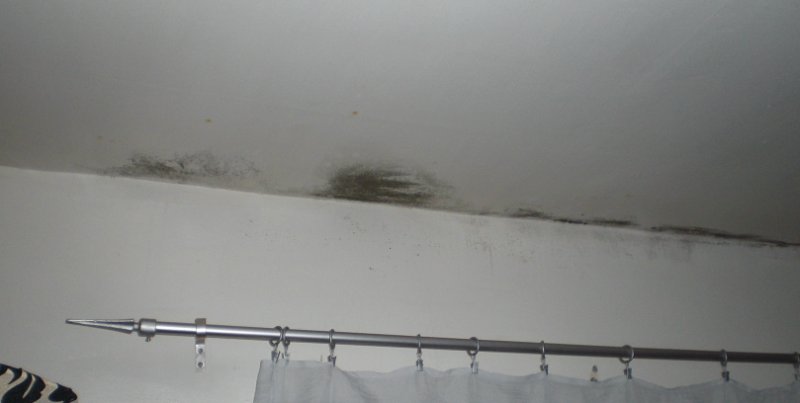
Scenario: Decorations and furnishings were reported water damaged as a result of ‘secondary flooding’ from the recent flooding. Neighbours advised that water damage to the property was a result of floodwater ingress during the event, even though the property did not sugar any specific ingress. Moisture damage was evident on the ground and first floors.
Multi-Disciplined Approach to Damp Problem
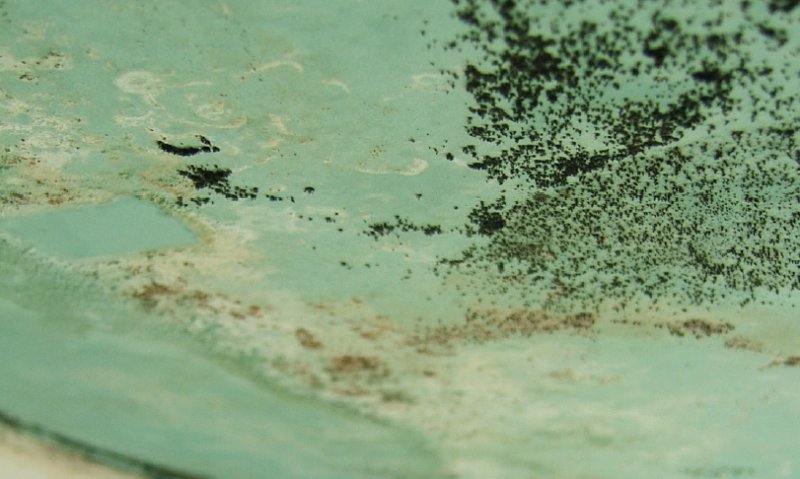
Scenario: A 1970’s detached property has suffered from a damp problem to a localised area of the structure over a number of years. Prior to the appointment of Cornerstone, extensive investigations and been undertaken by a variety of professionals without resolution. Reason for contact: To identify the source of the moisture affecting the structure.