Water Leak Detection Guide – Signs, Causes & Expert Advice
Water leaks can cause significant damage to a property, yet the source is not always obvious. A visible stain, damp patch or unexpected rise in water usage may be the first indication of a hidden problem. This guide provides practical advice on water leak detection, including how to recognise common warning signs, understand possible causes, reduce the risk of further damage and decide when professional leak detection or investigation may be required.
Signs a Water Leak May Be Causing Damage
Water leaks can come from pipework, bathrooms, roofs, gutters or external walls. Some are obvious, while others develop gradually and remain hidden.
Possible warning signs include:
- Localised damp or staining
- Peeling paint or wallpaper
- Swollen timber or damaged plaster
- Persistent musty odours
- Dampness that worsens after rainfall
- Moisture appearing near plumbing
Even a small concealed leak can damage plasterboard, insulation, flooring and timber over time, so early investigation is important.

What Happens to a Property After Flooding?
Floodwater can affect much more than the visible surface. Moisture may remain trapped within walls, floors, insulation and structural materials long after standing water has been removed.
Possible effects include:
- Saturated plaster and plasterboard
- Damaged flooring and insulation
- Swelling or deterioration of timber
- Persistent damp and musty odours
- Mould growth
- Corrosion of metal components
- Longer-term structural deterioration
The extent of damage will depend on how much water entered the property and how quickly drying begins. Learn more about what happens to a building after a flood.

How Quickly Can a Water Leak Cause Damage?
Even a relatively small leak can cause significant damage if it remains undetected. Water can spread through building materials and affect areas some distance from the original source.
Damage may include:
- Staining and damaged decoration
- Deterioration of plasterboard
- Warped flooring or timber
- Wet insulation
- Mould growth
- Damage to fixtures and finishes
- Structural deterioration over time
Early investigation can help reduce the extent of repairs required. Find out more about how quickly a leak can cause mould or structural damage.

How to Spot the Signs of a Water Leak
The location and pattern of moisture can provide useful clues about where a leak may be coming from, but they do not always confirm the exact source.
Water Stains on Walls and Ceilings
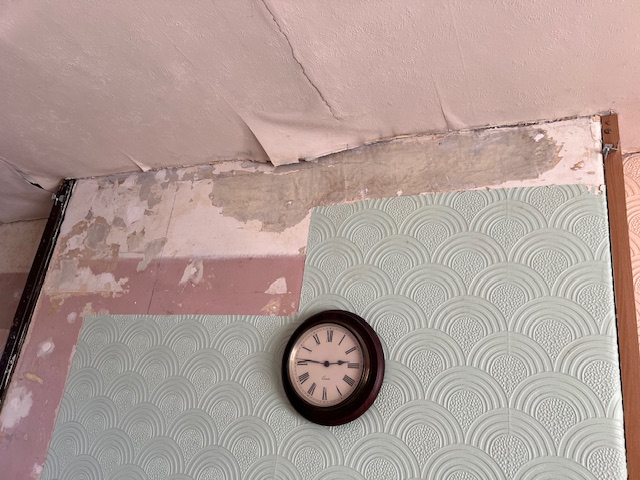
Discolouration, staining or patches appearing on walls and ceilings can be an early indication of a hidden water leak.
While these marks may suggest moisture is present, the source is not always obvious. Water can travel through building materials before becoming visible, making accurate assessment important.
For more information on how leaks can affect your property, see:
Damp or Musty Smells
A persistent damp or musty smell may indicate trapped moisture caused by a leak, even when there are no obvious visible signs of water damage.
Hidden moisture can create conditions where mould develops and may affect walls, flooring, insulation and other materials if the underlying issue is not addressed.
Read our guide:
Peeling Paint, Bubbling Walls or Damaged Surfaces
Changes to paint, wallpaper, plaster or other finishes can be signs that moisture is building up behind surfaces.
Although visible damage can help identify affected areas, it does not always reveal how far water has travelled or whether there is deeper damage.
Our guide explains the potential risks:
Unexplained Moisture or Water Build-Up
Pooled water, damp patches or unexplained moisture should not be ignored, as they may point to an active leak or a wider water damage issue.
Finding the source quickly can help prevent further deterioration and reduce the risk of long-term damage.
See our advice on dealing with water damage:
Changes to Floors, Carpets or Wooden Materials
Warped flooring, damp carpets or swelling wood can be signs that water has entered areas where it may remain trapped.
Moisture beneath surfaces can sometimes go unnoticed, which is why professional assessment may be needed to understand the extent of the damage.
Read our guide:
Need Help Identifying a Water Leak?
Finding the source of a leak is not always straightforward. Moisture patterns can provide clues, but specialist assessment may be needed to confirm the cause and prevent further damage.
Whether you are dealing with a small leak or more extensive water damage, the right advice can help protect your property.
What Should You Do After a Flood?
Taking the right steps after flooding can help protect the property and reduce further damage. Safety should always come first, particularly where electricity or contaminated water may be involved.
After a flood, consider:
- Avoiding unsafe electrical systems
- Photographing and documenting damage
- Contacting your insurer where appropriate
- Removing standing water safely
- Identifying affected materials
- Checking for hidden moisture
- Beginning controlled drying as soon as possible
Dry surfaces do not always mean the building is fully dry. Our guide explains what to do after a flood and when further investigation may be needed.

How Does Non-Destructive Leak Detection Work?
Finding a hidden leak does not always require walls or floors to be opened immediately. Specialist techniques can help narrow down the source before disruptive investigation begins.
Non-destructive leak detection may involve:
- Thermal imaging
- Moisture mapping
- Acoustic leak detection
- Tracer gas testing
- Pressure testing
- CCTV drainage surveys
- Other targeted diagnostic methods
The most suitable method depends on the property and suspected source. Learn more about how non-destructive leak detection works.

How Can You Assess Flood Risk?
Understanding flood risk can help property owners prepare for potential water damage before an incident occurs. Risk can vary depending on location, drainage, ground levels and nearby water sources.
Factors to consider include:
- River or coastal flooding
- Surface water accumulation
- Local drainage capacity
- Previous flooding in the area
- Groundwater conditions
- Property level and surrounding terrain
- Nearby watercourses
Knowing where the risks come from can help inform preventative measures and emergency planning. Read more about assessing flood risk.

When Is Specialist Flood Recovery Needed?
Flooding in an office or commercial property can affect more than visible finishes. Water may spread beneath floors, behind walls and into electrical or building systems, making professional assessment important.
Specialist flood recovery may be needed where:
- Large areas of the property are affected
- Water has entered floors, walls or ceilings
- Hidden moisture may remain
- Electrical systems or equipment are at risk
- Mould or contamination is a concern
- Business operations have been disrupted
- Specialist drying equipment is required
Professional support can help reduce downtime and identify damage that may otherwise be missed. Learn more about why hiring a specialist company after an office flood can be essential.

How Can Businesses Reduce Flood Risk?
Flooding can interrupt operations, damage equipment and lead to costly repairs. Planning ahead can help businesses reduce potential losses and respond more effectively if water enters the property.
Flood risk management may include:
- Understanding local and site-specific flood risks
- Keeping drainage systems clear
- Protecting important equipment and stock
- Moving vulnerable items away from high-risk areas
- Preparing emergency shutdown procedures
- Creating a business continuity plan
- Reviewing flood response arrangements regularly
Preparation cannot prevent every incident, but it can reduce disruption and improve recovery. Explore our flood risk management tips for businesses.

Water Leak Detection FAQs
How can I tell if I have a hidden water leak?
Possible signs of a hidden leak include unexplained damp patches, staining, musty odours, changes in flooring or plaster, falling boiler pressure and unusually high water usage. Because water can travel through walls, floors and cavities, the visible damage may not be directly beside the source.
Where the leak cannot be found visually, non-destructive leak detection can help locate the source using specialist investigative techniques.
How quickly can a water leak damage a property?
Water damage can begin before obvious signs appear. Moisture may become trapped within plasterboard, timber, insulation and flooring, potentially leading to deterioration or mould if the source is not addressed.
Learn more about how quickly a leak can cause mould or structural damage and what can happen to a building after significant flooding.
What should I do after a serious water leak or flood?
First make sure the area is safe, particularly where water may have affected electrical systems. Where appropriate, stop the water source, document the damage, contact your insurer and arrange an assessment of affected materials. Hidden moisture may also need to be identified and professionally dried before repairs begin.
Our guide explains what to do after a flood, while businesses can also learn when specialist flood recovery may be required.
How can businesses reduce the risk of flood and water damage?
Businesses can reduce potential disruption by understanding their flood risk, maintaining drainage and plumbing systems, protecting important equipment and documents, and having an emergency and business continuity plan in place.
Start by assessing your property’s flood risk and explore further flood risk management tips for businesses.
Is commercial or industrial flood recovery different from a domestic property?
Commercial and industrial properties can present additional challenges because flooding may affect machinery, electrical systems, stock, hazardous materials and business operations. Recovery may therefore require a coordinated approach to safety, water removal, drying, restoration and reopening the premises.
For industrial sites, our guide to factory flood recovery explains some of the additional considerations involved.
Do you have a question about water leak detection for your property?
Speak to a member of our team today!
UK Water Leak Detection Specialists
UK Water Leak Detection Specialists
Head Office
Cornerstone Management Services Ltd
24 Picton House, Hussar Court
Westside View
Waterlooville
Hants
PO7 7SQ
Midlands Office
Call Us
02392 009 270Email Us
enquiries@cornerstone-ltd.co.uk
Water Damage Restoration in Portsmouth Flat
Emergency Water Damage Investigation in a 1-Bedroom Portsmouth Property In November, Cornerstone was appointed by a leading UK energy supplier to investigate and manage water damage at a 1-bedroom flat in Portsmouth. The property had suffered internal flooding following a leak originating from the bathroom, affecting multiple areas within the flat. Our specialist water damage
Emergency Water Damage Restoration in Richmond
Overview of the Water Damage Incident A severe ceiling pipe leak caused extensive water damage to a residential property in Richmond, affecting the lounge and landing areas. The water leak led to saturated ceilings, walls and flooring, while repair work left the landing carpet lifted and unsecured. This case required a sensitive, structured approach due
Some Of Our Clients.
We work across a range of industries from Insurance Companies to Housing Associations, and Private Landlords to Local Councils.