Damp & Mould Investigations – UK Specialists
Condensation & Damp Specialists
With over three decades of industry-related experience, Cornerstone is a known damp specialist, specialising in diagnosing condensation, mould and fungal growth. We are on hand to advise, detect and report on property problems to ensure the correct remedial response is undertaken with a clear understanding of root cause and potential resolutions.
We recognise that mould and fungus development is due in the main to excess moisture in structures and these have either been directly wetted, affected by penetrating damp or hygroscopic materials absorbing moisture from the atmosphere.

Local Experts in Detecting Damp and Mould
Not all damp in structures is caused by building faults, like plumbing leaks and water ingress. Occupational activities such as drying clothes, cooking, bathing and breathing can also introduce high levels of moisture into the property, which can cause condensation to develop on surfaces. The control of atmospheric moisture production and surface temperatures can often resolve a condensation issue, so correct diagnosis is critical, and it is essential that a prompt and accurate investigation is made so that the most appropriate remedial action can be taken.
Bringing Cornerstone on board to undertake an investigation will result in a site inspection and the provision of a clear, understandable and detailed technical report on the problem itself, including a thorough and fact-based investigation into the root cause.
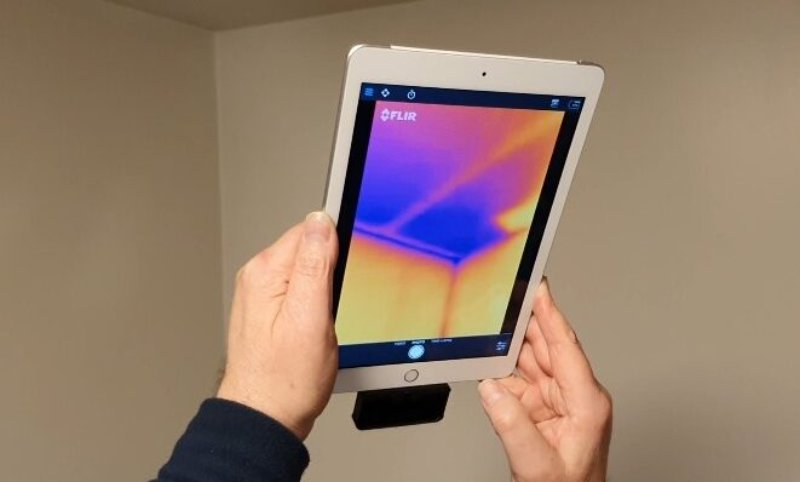
To assist the investigation process, Cornerstone offer a Remote Monitoring service of internal atmospheric conditions. This, along with a detailed structural moisture survey, clearly identifies the existence of condensation, how it is primarily driven and if there are any supporting structural defects.
Did You Know?
2 people active for 16 hours can produce 1.5 – 1.7 litres of moisture in the atmosphere and 4 – 5 people asleep for approximately 8 hours, generates between 1.3 – 1.6 litres.
Mould Damage in Properties
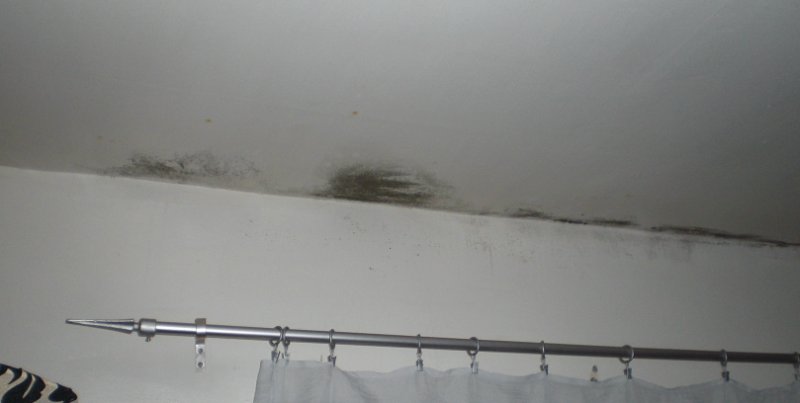
Not all damp in structures is caused by building faults like rising damp, penetrating damp, plumbing leaks and water ingress. General household activities – such as drying clothes, cooking, bathing and breathing – can also introduce high levels of moisture into the property. When conditions are suitable, condensation begins to develop, resulting in damp surfaces. There are many health risks associated with mould. Read our article on mould health risks to learn more.
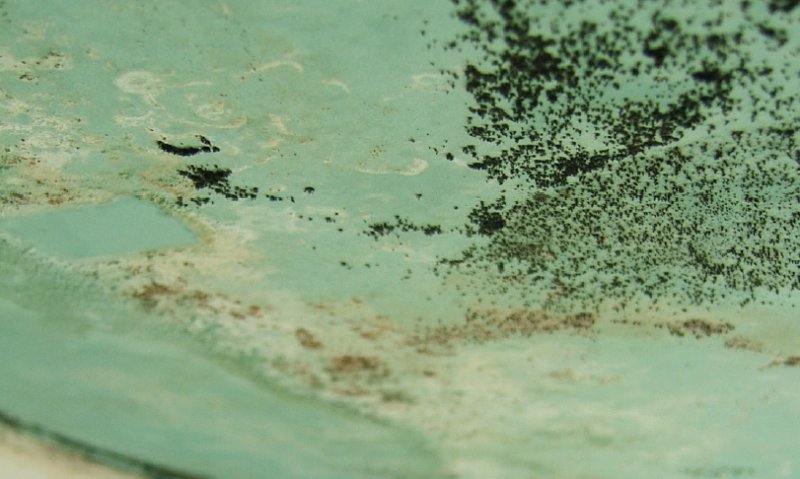
For moulds to grow and reproduce, they need a food source. These can be wallpapers, plasterboard, paint, some carpets, adhesives, wood fabrics and other organic materials. Mould on tiled areas is not feeding on the tiles. It feeds on the biofilm residue from close proximity to things like soap and washing.
Moulds can begin to germinate between 4 and 12 hours. However, after germination, it takes time for the mould to develop, create spores and colonise. This can be 1-2 days for some moulds. It can be longer for others whereby 2-3 and 8-12 days can be attributed depending on the type. Mould doesn’t actually need to grow in the dark, it’s just that such places have been attributed with damp conditions, such as behind wardrobes.
Causes of Damp & Condensation
There are many causes of condensation and dampness in your home, however, the main cause is due to a lack of adequate air ventilation. Modern-day housing will often include increased insulation, draught excluders and double glazing, which have the unintended consequence of sealing in damp air. This allows the damp and condensation to sit and fester, creating a musty, mildewy and unhealthy environment.
Some other causes of damp within your home are:
- Leaking pipes
- Rising damp in basements or ground floors
- Rain seeping in from the roof or around window frames
- Faulty double glazing
- Lingering moisture in the kitchen or bathroom

Introducing Calculation Apps
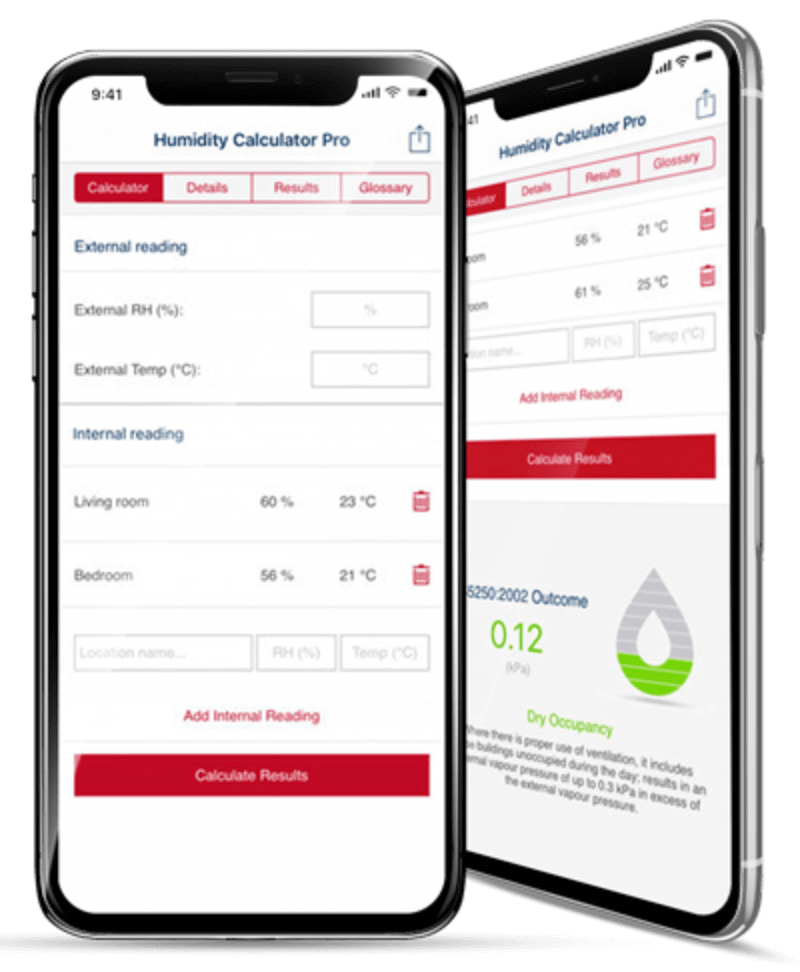
With a proven track record of undertaking credible fact based damp related surveys for a host of clients from NHBC, to social housing to private individuals all looking for a clear and concise outcome to a reported problem, Cornerstone have consolidated their knowledge base and released three new app designs.
Contact a Reputable Damp Specialist Today!
Contact a Reputable Damp Specialist Today!
Head Office
Cornerstone Management Services Ltd
24 Picton House, Hussar Court
Westside View
Waterlooville
Hants
PO7 7SQ
Midlands Office
Call Us
02392 009 270Email Us
enquiries@cornerstone-ltd.co.ukDamp & Mould FAQs
What does a professional damp and mould investigation involve?
A professional damp and mould investigation involves a detailed on-site inspection by specialists to identify the root causes of moisture, condensation and fungus growth. It includes measuring humidity and surface conditions, reviewing building structure and identifying whether issues are caused by condensation, rising damp, penetrating damp or poor ventilation. A clear technical report is then produced with findings and recommendations.
How do I know if my property needs a damp and mould assessment?
You should consider a damp and mould assessment if you notice persistent mould growth, damp patches on walls or ceilings, musty odours, peeling paintwork, or condensation forming on surfaces. These symptoms often indicate excess moisture that may worsen over time if left unchecked.
What are the common causes of damp and mould in buildings?
Common causes of damp and mould include poor ventilation, high indoor humidity from everyday activities, leaking plumbing, water ingress through roofs or walls, and inadequate airflow. Even normal household activities like cooking or drying clothes can introduce moisture that leads to condensation-related issues.
Can a damp and mould investigation help improve indoor air quality?
Yes. A comprehensive investigation identifies moisture sources and environmental conditions that contribute to poor indoor air quality. By addressing those root causes, such as excess condensation or ventilation issues, you can reduce mould growth and improve overall air quality, making living or working spaces healthier.
How long does a damp and mould investigation take and what reports do I receive?
The duration depends on the size and complexity of the property, but most professional investigations involve a site visit followed by analysis and reporting. You will receive a detailed report outlining what was found, the likely causes, measured conditions and prioritised recommendations for remediation or prevention.
Do you have a question about our damp and mould investigation services?
Speak to a member of our team today!
£37,000 Cost Saving for Insurance Company
Scenario: Decorations and furnishings were reported water damaged as a result of ‘secondary flooding’ from the recent flooding. Neighbours advised that water damage to the property was a result of floodwater ingress during the event, even though the property did not sugar any specific ingress. Moisture damage was evident on the ground and first floors.
Multi-Disciplined Approach to Damp Problem
Scenario: A 1970’s detached property has suffered from a damp problem to a localised area of the structure over a number of years. Prior to the appointment of Cornerstone, extensive investigations and been undertaken by a variety of professionals without resolution. Reason for contact: To identify the source of the moisture affecting the structure.