
Ventilation Survey
Independent Ventilation Surveys & Risk Assessments
At Cornerstone, we understand that most damp, condensation, and mould problems are linked to poor control of moisture in the air. With a wide range of ventilation options available, from background systems to mechanical solutions, it is vital to assess how each will affect both the building and its occupants.
The placement of ventilation devices is equally important. Correct positioning ensures the system works at its best and meets all current Building Regulations.

Cornerstone – Your Independent Surveyor for Ventilation Issues
Our ventilation surveys use industry-recognised data and parameters to analyse each property in detail. This includes factors such as geographical location and UK mean temperature data from the Met Office, helping us align the property to its expected construction behaviour and performance.

Did You Know?
Condensation is frequently caused by excess internal water vapour and reduced ventilation plus reduced heating.
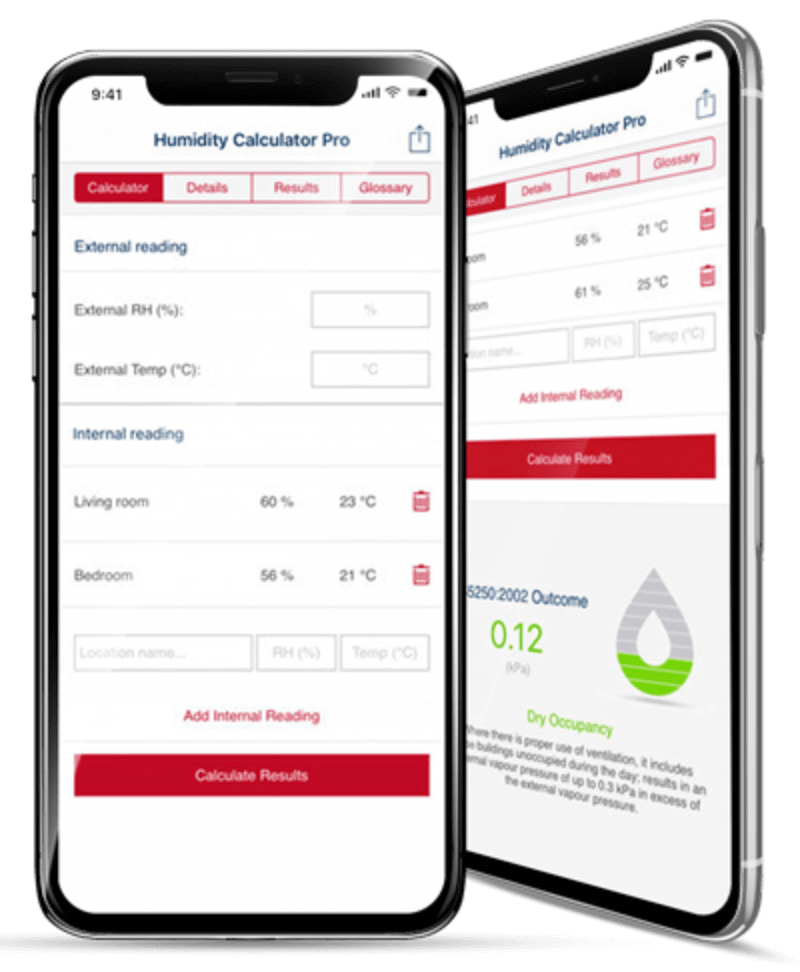
Introducing Calculation Apps.
With a proven track record of undertaking credible fact based damp related surveys for a host of clients from NHBC, to social housing to private individuals all looking for a clear and concise outcome to a reported problem, Cornerstone have consolidated their knowledge base and released three new app designs.
Ventilation Survey FAQs
What is a professional ventilation survey and why is it important?
A professional ventilation survey is a detailed examination of a property’s air movement, extraction points, background ventilation and overall airflow performance to identify potential causes of poor indoor air quality, condensation and mould. It assesses how well ventilation works for both the building and its occupants and informs practical recommendations to improve performance.
How can a ventilation survey help identify causes of damp and mould problems?
Poor ventilation is often linked to excess moisture in the air, which contributes to condensation and mould growth. A ventilation survey measures current airflow patterns, identifies blockages or inadequate extraction, and pinpoints how moisture is accumulating. This root-cause insight is crucial for effective remediation.
What happens during a building ventilation survey?
During a building ventilation survey, a qualified surveyor analyses how air enters, moves through and exits the property. This includes checking background vents, extractor fans, the positioning of ventilation components, and calculating performance against recognised standards. The survey helps identify if existing systems meet current ventilation needs.
When should I consider scheduling a property ventilation survey?
You should consider a ventilation survey when you notice persistent condensation on windows, musty odours, visible mould patches, or if occupants report poor air quality. Surveys are also valuable after refurbishments or when upgrading or installing new ventilation systems to ensure they work effectively.
How long does a ventilation survey take and what will the report include?
The duration of a ventilation survey depends on the property size and complexity of the ventilation systems. Typically it includes an on-site assessment followed by detailed analysis and a technical report that outlines the findings, identified issues, measured airflow behaviour, and clear recommendations for improvement or compliance.
Do you have a question about our ventilation surveys?
Speak to a member of our team today!
£37,000 Cost Saving for Insurance Company
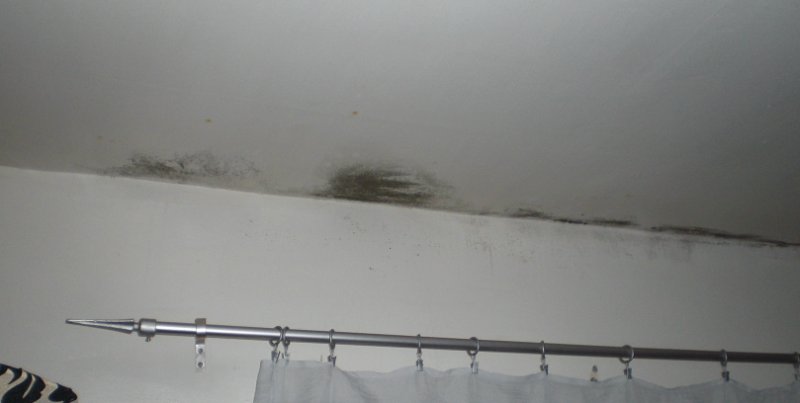
Scenario: Decorations and furnishings were reported water damaged as a result of ‘secondary flooding’ from the recent flooding. Neighbours advised that water damage to the property was a result of floodwater ingress during the event, even though the property did not sugar any specific ingress. Moisture damage was evident on the ground and first floors.
Multi-Disciplined Approach to Damp Problem
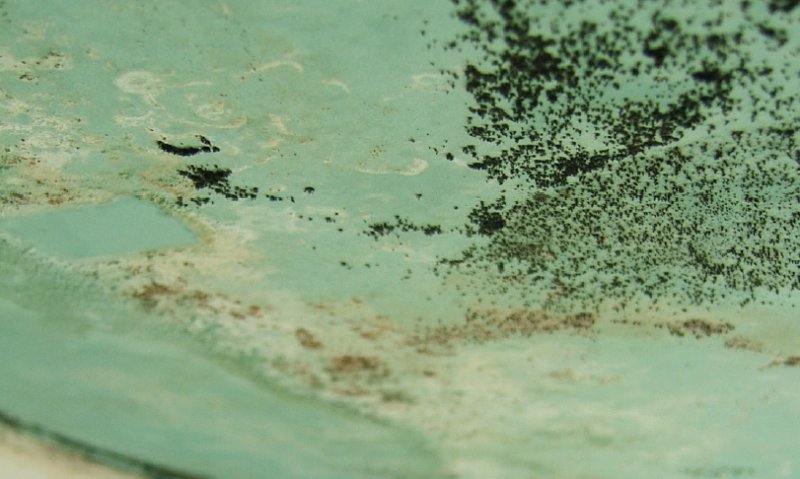
Scenario: A 1970’s detached property has suffered from a damp problem to a localised area of the structure over a number of years. Prior to the appointment of Cornerstone, extensive investigations and been undertaken by a variety of professionals without resolution. Reason for contact: To identify the source of the moisture affecting the structure.